Our adversaries will not grant us an extension because the zoning hearings ran long. America must regulate and build at the same time.
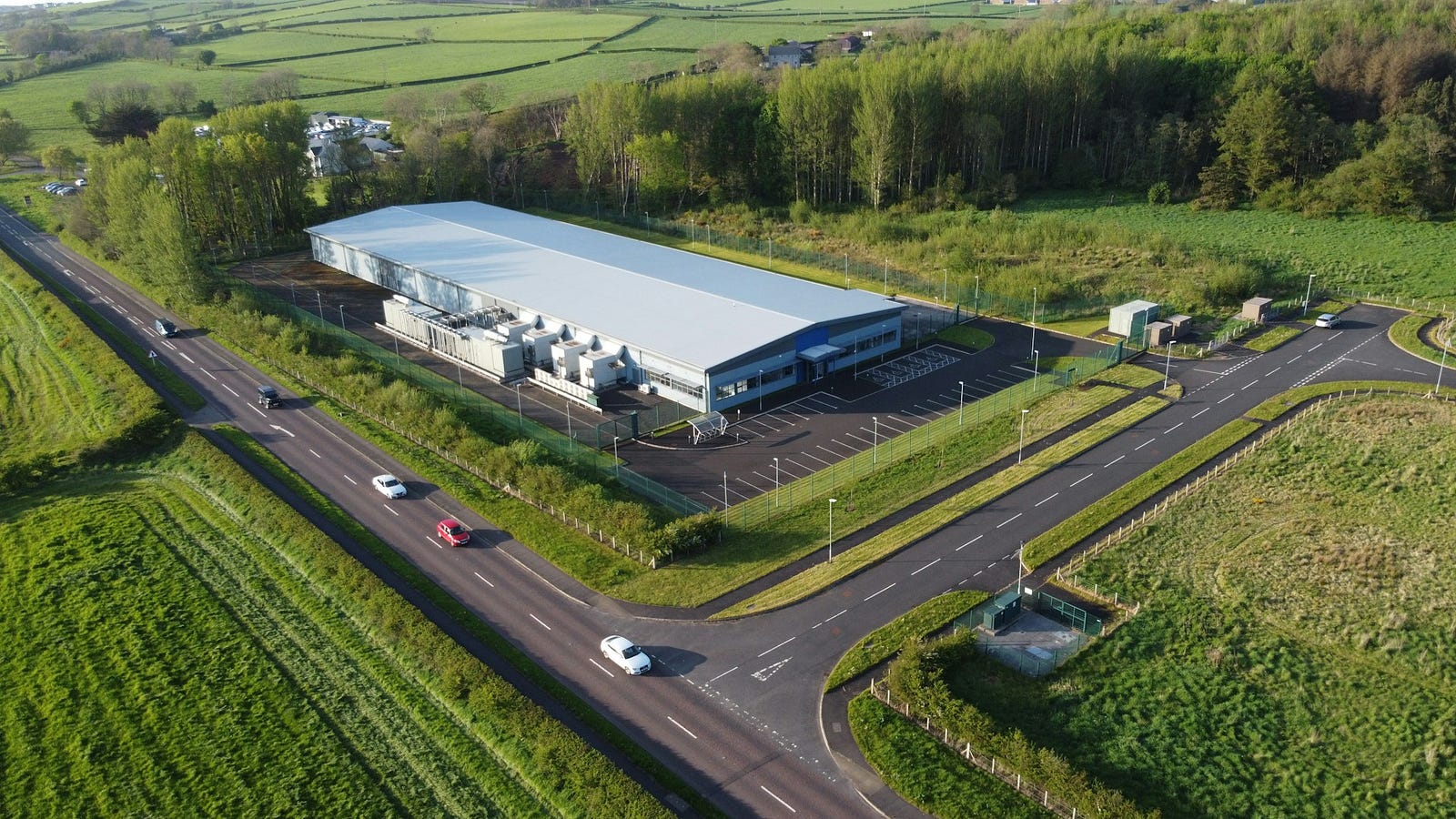
Americans want artificial intelligence without the infrastructure required to produce it. We want instantaneous searches, medical breakthroughs, automated services and military superiority — but the data centers powering those advances must apparently be built somewhere else.
Seven in 10 Americans now oppose construction of an AI data center near them. States and municipalities are considering moratoriums, while proposed projects encounter increasingly organized resistance over electricity, water, noise and land use.
Some complaints are legitimate. But much of the movement is old-fashioned NIMBYism dressed in new environmental language.
The inconsistency is particularly conspicuous in rural states such as Kansas. Communities have tolerated wind farms stretching across the horizon, supported by federal tax credits and state property-tax exemptions that lasted much longer than originally promised. Wind energy was presented as a necessary sacrifice for a cleaner future, despite its intermittency, transmission requirements and dependence on backup generation.
Yet data centers — which can turn that electricity into valuable computing power — are suddenly being treated as uniquely intolerable.
Wind farms do provide useful energy and lease income for landowners. But the claim that subsidized renewable generation would deliver inexpensive, dependable electricity has proved much weaker than advertised. The advertised cost of wind rarely includes the complete system required to deliver power when the wind is not blowing.
Data centers face the opposite distortion. They are described only as consumers, as if computing were not itself a valuable product. A facility may strengthen the local tax base, finance electrical improvements, attract fiber-optic infrastructure and support construction and technical employment. In a rural county, a large taxable facility can fund schools, roads and emergency services without requiring the public expenditures associated with thousands of new residents.
That does not mean communities should approve every proposal. A data center expecting households to finance its substation, demanding scarce drinking water and receiving a decades-long tax holiday is a bad bargain.
The solution, however, is better regulation — not a construction pause.
Data centers should receive dedicated large-load electricity rates reflecting the infrastructure they require. Developers should sign long-term minimum-payment contracts so families are not left paying for unused power plants or transmission lines if a speculative project is canceled. Water use should be disclosed, tax incentives should depend on measurable performance, and companies should provide financial guarantees before utilities begin expensive construction.
Facilities capable of shifting computing work away from periods of peak demand should receive lower rates. Those requiring uninterrupted electricity should pay the full cost of that reliability. Where possible, large campuses should help finance new nuclear, natural-gas, geothermal or renewable generation.
These rules can be imposed while projects proceed. Government does not ordinarily suspend an entire industry while it learns how to regulate it.
A moratorium would also create consequences far beyond its nominal duration. Data centers require years of planning, equipment orders, power contracts and construction. A one-year pause can redirect billions of dollars, specialized workers and entire supply chains to another state — or another country.
China is not pressing the pause button. Neither are Russia, Iran or North Korea. They will not limit AI development because Americans are worried about transmission corridors or because a county commission needs another year to write a zoning ordinance.
Computing capacity is becoming a strategic resource comparable to energy production, semiconductor manufacturing and military-industrial capacity. America could possess the best researchers and software companies in the world and still lose its advantage if it lacks the physical infrastructure necessary to train and operate advanced systems.
The deeper problem is that America increasingly treats new demand as an emergency. Instead of building more electricity generation and strengthening the grid, policymakers reach for rationing, delay and prohibition.
That is a formula for managed decline.
America should end perpetual subsidies, price electricity honestly and require large industrial customers to pay their own costs. But it must also build. Our adversaries will not grant us an extension because the zoning hearings ran long. The AI race will continue whether America is ready or not.
(Contributing writer, Brooke Bell)